
I got the “lady” thing down. When I was a girl, I learned all sorts of “lady” skills that would prepare me to be a decent woman and successful housewife. I make applesauce. I spin yarn. I can knit and crochet. I paint, sing, and play the harp. I can make quilts and clothes, and serve afternoon tea.
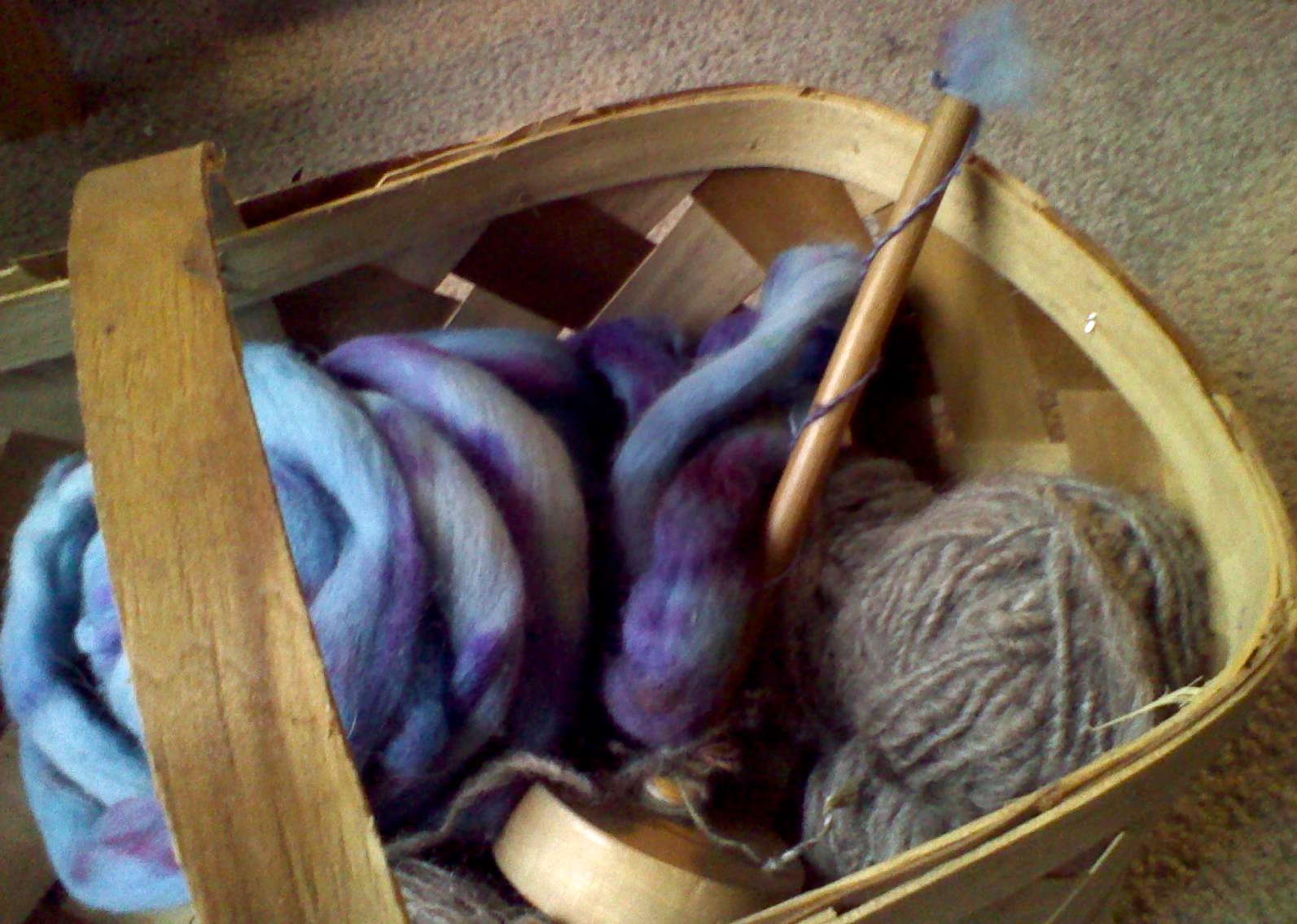
The problem is, activities such as those are no longer as popular as they used to be. Spin yarn? Many people don’t even understand what a drop spindle is, or they have never seen a harp up close.
Felicity Merriman and Elsie Dinsmore were my childhood friends, but I have learned that girls like them remain alive only on the words of a page. While girls my age learned about makeup and name brand clothing, I was out riding horses. While so-and-so was dating her first boyfriend, I was wondering if it was morally okay to wax my eyebrows (would it be vain?). By the time I reached young adulthood, I thought I was well on my way to becoming an accomplished gentlewoman (I use the term loosely). You can imagine my surprise, then, when I discovered that a proper gentlewoman is not esteemed in the same way she would have been a century ago.
These days it appears that society values a woman who is career driven more than housewife driven. Many women today are being awarded for accomplishments that, a century or two ago, only men would have attempted. Maybe that’s not a bad thing. Maybe it means we’ve allowed women to go above and beyond the original expectations of their gender. I think, however, that there is something to be said about a woman who can manage her home well, career or no career. There is a certain beauty that is lost when the art of housekeeping is thrown to the wayside in pursuit of what used to be left to the men.
That’s not to say that pursuing a career is a bad thing. I myself am studying to get a bachelor’s degree, after which I would like to manage a flock of goats (maybe), grow an herb garden, and possibly build my own house. Yes, with my own hands.
Do you remember the term “calling” before it was used in reference to the telephone? In the Victorian era, ladies would pay visits to, or call on, each other. In higher society, women would keep track of who called on them and to whom they owed calls. Paying a call could be compared to paying bills, they were so important. Today? “We should hang out sometime.”
Sometimes I wonder what the hell men are looking for if not a housewife. I may be late in saying this (by about 100 years), but it seems that the woman is having to find a new identity, since it is no longer defined by the skills she acquires for running a home. In a way, this is freeing, because it gives her more independence to choose her own path. In another way, however, it leaves people like me a bit confused about what to do when I’ve spent a significant chunk of my life training to be useful to a man.
Please do not take this as a self-pity rant (although that’s exactly what it is, so forgive me). This is not to say that I cannot survive without a man taking care of me, because I have complete confidence that I can. I think more importantly, I am trying to find my place in 2014 when I feel like I should have been born in 1880.


 Katherine Ramsey