My name is Katherine, and I created this blog to record my journey through life and the lessons I learn in the process. I intend to show people who I am and what I do in a nutshell. I intend to develop a better understanding of myself and the world around me, and I hope to encourage others to do the same.
Trapped in Education
“I could just run away,” I thought to myself, “yet I’d still feel a need to finish my homework first.” -my brain between classes as I looked out a window to the campus below.
It’s amazing how different it feels walking on a school campus after graduation in comparison to before. I wander the brick pavement, taking my time, while students rush around me to class. I can finally relax because I’m on the outside looking in.
As a student, the stress of never being done gnawed away at my soul. There was always another assignment, always more reading material, always something exhausting my mental energy. There was no relishing in what I learned because I always had more to do. Even times of rest were laden with the knowledge I would have to get back to work soon. There was no clocking out until suddenly everything ended for break.
When people say school prepares you for life, I suppose they are referring to stereotypical 70-hours-per-week jobs. The ones where you wear a suit and stay late out of a need for constant busyness and endless production. I am not envious of them. People say school (college years) are the best years of your life, but I have never been more relieved to not have homework looming over my head.
Too often we trap young people in constant to-do lists that probably prohibit their growth rather than aid it. This can happen in adulthood too, but adults tend to have a little more control over it. I empathize with young people who are still bound by academic responsibilities. And while I am a huge advocate for learning and growing, I am so glad to not be in a formal school setting anymore.
In my limited life experience, I find I much prefer independent adulthood than the stress of student-hood/childhood. Going through high school and college was mentally and emotionally draining, not just because of the endless cognitive workload, but also because of the development that was happening within my own body and brain. Life is still immensely draining now, but I feel much more equipped to handle it now that I don’t have homework to worry about.
Setting an Intention with Technology
At the beginning of many yoga sessions you’ll hear the instructor prompt you to set an intention for the practice. It’s not typically a physical goal as much as a spiritual thought: “I am focused.” or “I am strong.” A few months ago I found myself needing to set an intention of a different sort: for my computer.
After a long and productive life, my laptop began to die. Slowly at first, but then with overwhelming acceleration until I decided it was time to get a new one. I needed several weeks to save up, so I would have to go without for awhile. And oh, did it refresh my appreciation for technology.
I still had my phone to check email and manage important tasks. In fact, I easily go a couple days without using my computer at all normally. But the luxury of having it available at all times was one that disappeared during those weeks.
What do I use my computer for? Often I much prefer a computer to compose emails and messages (excluding texts). I organize my thoughts better on a big screen with a keyboard having real keys. Occasionally I will edit videos to post on YouTube or create music in GarageBand or Logic. Of course I blog, and any general reading or research I do I prefer to do on a computer.
So for those unique weeks I found myself without this resource readily available. But it pushed me toward a new solution: the public library. While I love my library primarily for the books, I learned the value of checking out a laptop for an hour. With the precious time I had, I forced myself to create goals and focus on what I needed to do in that hour. I spent time responding to emails and Facebook messages. I read and wrote and researched. I even allowed myself some scroll time on Facebook. And it was glorious.
The time without my own computer felt new and different. I possess a deeper thankfulness for the one I do have now. And the focused time in the library reminded me to carry a similar intention with me in my day-to-day perspective.
Excerpt from September 2015: Ugh, Money
Lately I have been looking at what is involved in becoming a freelance writer, and it seems that the most commonly available jobs are those involving marketing and advertising. This makes sense, considering that companies need to promote themselves, but it’s difficult to sell stuff you don’t believe in.
It’s not that I don’t believe in stuff; there’s plenty of material items that I find useful. But I hate the idea of spending money, and would instead love to help people spend less money and become happier within themselves. However, I have no expertise in this field other than my own experience, and I hate doing research. That is why many of my posts are little more than glorified journal entries. Man, that sounds narcissistic.
My Money-Awareness Tricks
Everyone’s financial situation is different. These are some things I do as part of being aware of my spending and developing responsibility.
-
Save $2. Don’t use the dryer unless absolutely necessary.
I don’t own a washer or a dryer, so sometimes I will use public laundry facilities. However, it’s even better when you have friends who will let you borrow their washers and dryers. If you have enough friends who have their own, you can rotate whose you borrow so it won’t be an issue. Plus they smell much better than the smoky public ones.
-
Use amazonsmile.com. Donate to charity when you shop.
Not really a money-saving trick, but something good to do.
-
Have multiple savings accounts like a student account.
I opened accounts at a new bank when I began college. I had one checking and one savings. The savings account was one I couldn’t withdraw from unless I went to the bank personally, simply because it was a student savings account. After graduating, I still kept that account open while creating another savings account without the student status. Having the two savings accounts has helped me because the student one is “locked up” until I physically go in and permit the withdrawal of money. It creates another layer of conscientiousness about where and how I’m using money.
-
Use a budgeting app like Mint.
-
Make a list of household items you want to buy – underwear, trash can, Windex…
Break up the list to small monthly purchases. I once set aside $12 to purchase a really nice wastebasket. Two years later I still have it and love it.
-
Buy name brand jeans at Goodwill.
-
Host a clothing swap.
One of my friends did this: Get a group of friends together for a “party” where everyone brings unwanted clothing items. You basically get to go shopping in your living room, and whatever is left over goes to Goodwill.
-
Christmas/birthday money goes toward debt.
-
Tax return goes toward emergency purchases or debt.
-
“Fun money” goes toward things like trying new shampoo or lotion.
I used to not buy lotion because it seems frivolous to me. I still rarely buy it, but when I do it is a luxury, and I try to get a different kind of lotion every time so it seems new and exciting.
-
Host potlucks
Great for spending time with friends and eating a full meal for a low cost.
-
Create wish lists for different stores; then you know how to break down gift cards when you receive them.
-
Don’t buy anything you can borrow from the library.
-
Invest in a microwave.
-
Save on heat; buy microwaveable body wrap.
In the cold times I heat it up and put it under the covers at the foot of my bed. It helps to keep me warm so I can fall asleep.
-
Buy cheap disposable razors; spend an average of $4 per month.
Not the most environmentally friendly option, but I hear of other people spending up to $10 per month on razor blades. If I can make a razor last the whole month before it gets dull or icky, then it’s really only like spending $2 per month.
Why Anxiety Is Not a Sin
You’ve heard it before: “fear not,” “do not worry,” “be not anxious for tomorrow,” and Christians will say they struggle with anxiety, and they need to pray more and trust God. If sin means doing something bad, and worrying is something bad to do, then yes, I supposed worrying or being anxious would be a sin. But the equation is not that simple, because people are not that simple.
An anxiety disorder, while linked to many causes, can be an indication that parts of the brain are underdeveloped due to stunted growth caused by verbal or emotional abuse. And so to say that I just need to stop worrying because it’s sinful is like telling me to use a part of my brain that doesn’t exist. It doesn’t make sense. What that shows is a lack of understanding of how the mind works as well as a lack of understanding of what sin is.
Sometimes, basic worrying can stem from truth. It’s natural and healthy to be afraid of getting too close to the edge of a cliff. Being anxious can also be an acknowledgement of our lack of control. When anxiety overwhelms us, we can reach out to another person for help so they can assure us we are safe, or if we’re not then we will get to a safe place.
Beyond that, when you have full-blown disorders where you can’t breathe or stand or see, telling a person they are sinning is not going to make them less anxious. It may even make it worse. So what really is sin?
Too often we think of sin as doing bad things. That’s part of it. Murdering someone is sin. But the origin of the word sin means “missing the mark,” as in aiming for a target but not hitting it. In a broader sense, I tend to think of sin as a curse. We are cursed with missing the mark. Limiting sin to a definition of doing bad things only perpetuates shame and reasons to hate oneself. Because if we’re really as sinful as the Bible says we are, we must be doing bad things all the time without realizing it, including existing. And it is a dangerous thing to tell someone their existence is a bad thing (but that can be a conversation for a different post).
To tell someone they are sinning because their brain is underdeveloped is wrong. It may be more accurate to suppose that any abuse, disorder, disease, negativity is a result of being under a curse. It’s not someone’s fault that their brain didn’t fully develop since they were abused, so don’t tell them to “stop sinning.”
The idea behind Christianity is that Jesus broke the curse. And until everything is restored, we are on earth learning how to live in a new reality. Just like in the show Once Upon a Time the people of Storybrook entered a new life, yet were still under the results of the curse; Christians still live with disorders, disease, and many other bad things just like everyone else. But the brokenness isn’t the end-all-be-all. Because one day everything will be made right.

15 Books Women Should Read
I came across a list entitled “25 Books Every Girl Should Read Before She Turns 25.” I am now rushing to read them all because my birthday is in just a few weeks. Upon looking over the list, I realized a lot of the books are novels. I have nothing against novels; in fact, I should probably read more. However, I’m going through a stage now where nonfiction is more interesting to me. Because a person’s twenties are such a crucial decade to one’s development and growth, I find it important to read material that aides in that.
As such, I have decided to make a list of books I have read that have been helpful in my journey of self-discovery (yes, some of them are even novels). They may not be for everyone, as they are specific to my needs and beliefs, but perhaps you will find one or two that are helpful to you. Feel free to add more suggestions in the comments below.
- Women Who Run With the Wolves by Clarissa Pinkola Estes

If you’re not big into reading, don’t start with this one. It’s amazing, but it also took me months to read. But it’s worth it! It explains the wisdom of ancient tales and the lessons we can learn from them. It travels deep into the female psyche, teaching women to unlock their inner wisdom. - Spider Woman’s Web by Susan Hazen-Hammond

I think of this one as almost a simpler version of Women Who Run With the Wolves. A swift read, but a meaningful one. It also explores old tales, but specifically focusing on those of Native American tradition. At the end of each chapter are questions beckoning readers to dig deep within themselves, exploring their past and embracing their present. - Released from Shame by Sandra D. Wilson

This is a fantastic book for anyone struggling with relentless shame, low self-worth, doubt, etc. Even if this doesn’t describe you, it opens a window of understanding toward those it does describe. Again, it challenges the reader to look inward for growth and self-awareness. - Will I Ever Be Good Enough? by Karyl McBride

Think of this book as a very specific version of Released from Shame. It peers into rocky relationships between mothers and daughters, and it reveals how influential the mother-daughter relationship is in women’s lives. Even if you have/had a great relationship with your mother, this can be helpful in accessing your own inner mother to yourself as well as growing as a mother to your children. - The Vagina Monologues by Eve Ensler

Some people love it, some people don’t. But it certainly does offer interesting perspectives on the female genitalia. - Emotionally Healthy Spirituality by Peter Scazzero

The author emphasizes the importance of not sacrificing that which is good and healthy in the name of being “spiritual.” It is written from a Christian perspective, but the points made are excellent for those of any spiritual background. Emotional health is an important thing, and good spirituality should enhance that, not sabotage it. - The Absolutely True Diary of a Part Time Indian by Sherman Alexie

A novel about a young, Native American man and his journey of transferring schools and the experiences that come with it. I have almost no grounds to relate to this character, but the author did a fantastic job of placing me in the character’s shoes to understand his thoughts and feelings. It also gave me a clearer perspective of modern Native American culture. - The Tipping Point by Malcolm Gladwell

I was required to read this book for a writing class I took, but I learned a lot about societal trends and how little things can become epidemics. An example that immediately comes to mind is how Justin Bieber became so popular almost overnight. Gladwell doesn’t specifically mention Justin Bieber, but that’s kinda of the idea of what he talks about. - The Alchemist by Paulo Coelho

A coming of age novel about a young man following his dream. I normally hate the idea of “following your dreams,” (a topic for a different post), but I’d say this story is far from cheesy. - The Curious Incident of the Dog in the Nighttime by Mark Haddon

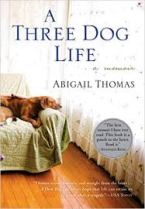
A novel I couldn’t put down, giving me the perspective of one whose life is very different from mine, and also increasing my empathy and understanding for others. - A Three Dog Life by Abigail Thomas

Written by a woman whose husband was forever changed by a terrible accident, A Three Dog Life chronicles her journey of creating a new normal. My comments cannot do this books justice. But I will say that it was enriching for me to read because it helped me step outside my personal bubble to learn about someone who is in a different stage of life from me. - The Things They Carried by Tim O’Brien

I found an deepening of two things as a result of having reading this book: my understanding of those involved in/affected by the Vietnam War, and my respect for said people. - Blue Like Jazz by Donald Miller

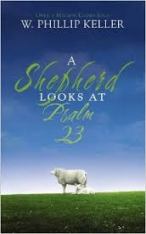
The subtitle of this book is “Nonreligious Thoughts on Christian Spirituality.” Written by a former atheist, the author is not trying to shove an ideology down your throat. He’s simply writing about his experience, which I loved reading about. Great for those exploring their own spirituality. - A Shepherd Looks at Psalm 23 by W. Phillip Keller

Psalm 23 is a commonly quoted poem at funerals, but that wasn’t necessarily what the original author had in mind when he wrote it. This book is written by a shepherd who knows the ins and outs of the daily life of sheep, and it will increase your appreciation for the shepherd’s psalm. - Sexual Fluidity by Lisa Diamond

I don’t have a lot of well-developed thoughts on this book because I’m still reading it. However, I am learning more about female sexuality, and it’s fascinating.
Creating an Ideal Day
I often think of things I wish I could accomplish in a given day if I could only muster the motivation to do them. Sometimes they are even things I enjoy doing but haven’t developed the discipline for turning them into regular habits. Therefore, I have decided to list tasks I would love to accomplish in my ideal day:
- Write in my blog/practice writing in general
- Read 50 pages or so in any given book
- Devote time to a yoga practice
- Practice harp/work on reading music
- Draw
- Work on quilt or some craft project
- Write to a friend
- Create (bake) something in the kitchen
- Practice singing
- Clean/organize something around the house
- Devote time to spiritual reflection/reading/prayer
- Bask in sunshine
Last year I had made a list of goals (resolutions, perhaps) which I did not accomplish in 12 months time, other than reading 15 books and cleaning out my car (for I had to get rid of it). This year I want to focus on furthering my self care routines. Since one of the most common New Year’s resolutions this year is to “become a better person,” which is ridiculously vague, I have decided to create my own goals to strive for and grow into.
My list above is not one I can realistically expect to complete daily; however, it helps to outline my ideal day. Because of this, I have something tangible to work toward in making every day an ideal day, whether I complete the list or not.
Writing Exercise: My Wings
All that remained of my wings was a single, solitary feather.
They’re gone; he took them. No, I gave them to him. What a stupid thing to do. I know you’re never supposed to give your wings away without the blessing of the elders. I was so madly in love I didn’t care.
Gone is the life I once knew. No more midnight flights to visit the stars and kiss the moon. To glide over the sea and play with the mermaids. That which was my greatest security became my greatest vulnerability. That which once kept me warm has left me naked in the wind. They are now in the hands of one who does not reciprocate my affection, and I am lost.
It’s not the end of the world, no. Nearly everyone loses their wings sooner or later. It just wasn’t supposed to happen this way. I’m mad at myself for being so naive. I place the feather in my sacred box, next to my heart. Now I journey to join the human world sooner than I imagined. And I go alone.
Writing Exercise: The Letter
I write this to you, my son, because no one knows you exist. Had the Council realized you are a boy, they would have strangled you at birth.
I have raised you a woman. You know our culture, our ways, our weaknesses. Now that women are able to reproduce without the aid of men, the male population has become nothing but the object of hunting and torture in the name of entertainment. There are few left. This, my son, is your fate should anyone discover your biological sex.
The very savagery once accused of men exists only in the hearts of those who hunger for more power. They are coming for me, because I dare to resist that power. My hope lies in you. If you remember what I have taught you, victory is possible. Save the men. Save us all.
You will not likely see me again. Destroy this letter upon reading it. And no matter what, do not reveal your true Name to anyone.
I am, and will ever remain,
Your Mother